What We Do
Psychosocial Support (PSS)
MORE provides one on one counselling and psychosocial support to clients through outreach and direct access to our service site where our volunteer PSS assistants attend to them.
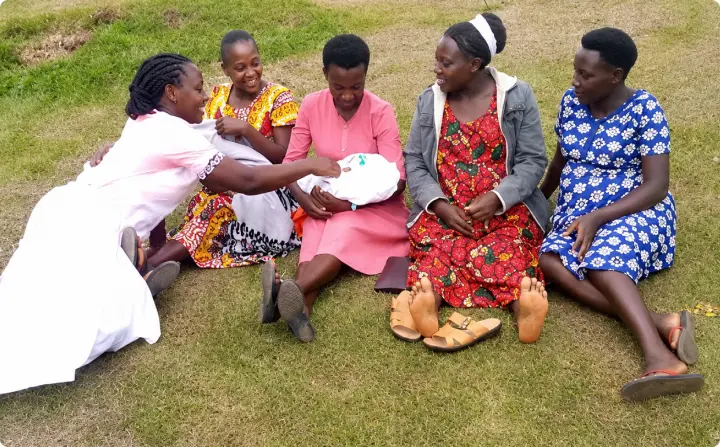
Outreach health services that include immunization, family planning information, counselling and methods of choice, HIV screening & nutrition screening
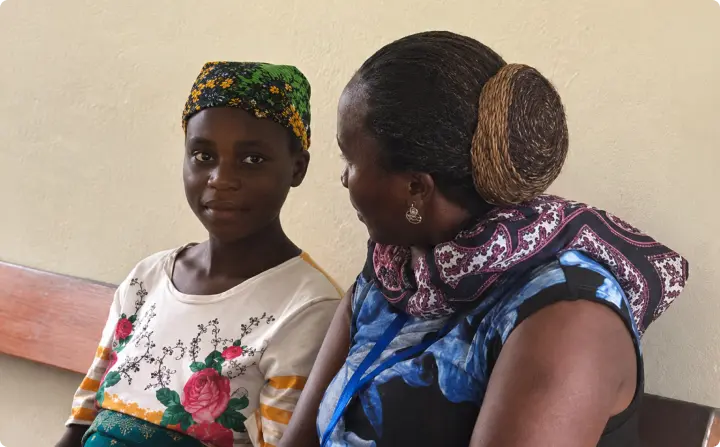
Psychosocial support of survivors at their home or our service site
WASH, Reproductive Health and Rights Awareness Campaigns
Our activities include community work in regard to water, sanitation and hygiene, health and education services.
Our WASH programme (Water, Sanitation, and Hygiene); promotes proper handwashing, safe water consumption, and sanitation practices. Other health programmes include TB prevention, control and awareness, together with programmes and education about breastfeeding and the Prevention of Mother To child Transmission of HIV.
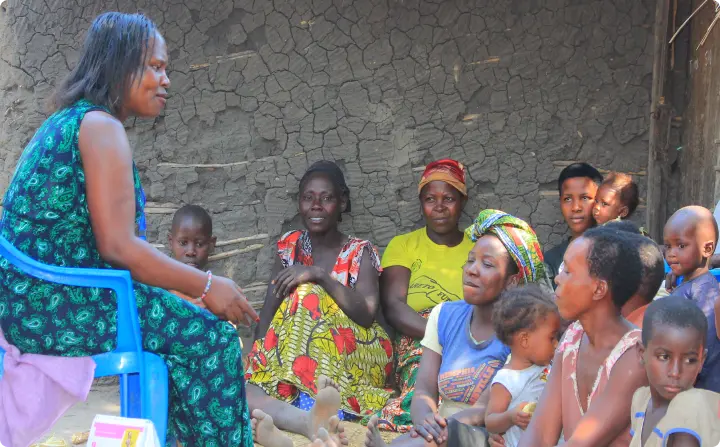
MORE Director facilitates an outreach session discussing topics that include healthy diets, malnutrition, vaccinations and HIV
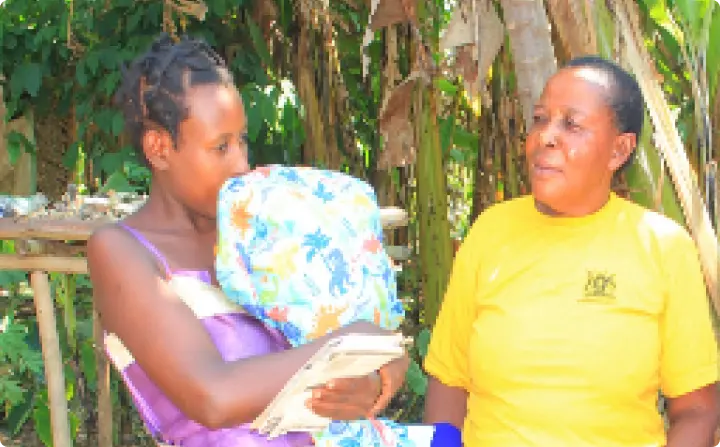
A community outreach worker interacts with an Adolescent Girl and Young Mother (AGYM) in the community
Advocacy and Stakeholder Engagement
To increase visibility, awareness, stakeholder engagement, MORE organises and participates in district and sub-county dialogue, planning committees, budget conferences, and advocacy days such as the day of the African child, International Women's Day and Activism Against GBV events.
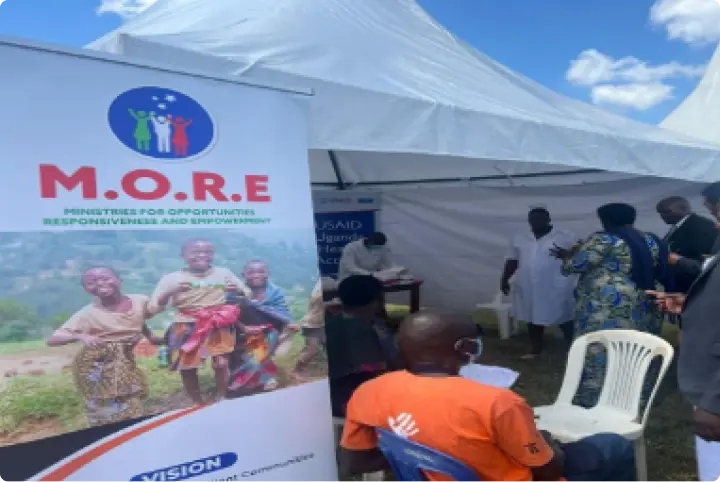
The Vice President of Uganda HE. Jessica Alupo inspects MORE service exhibition stall at the International Day of the African Child at Rukungiri Main Stadium
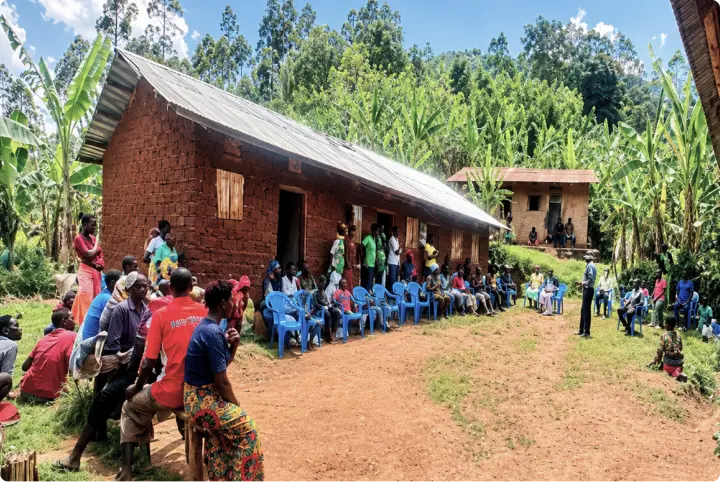
Gender-Based Violence (GBV) dialogue focusing on prevention and responses
Food Security and Climate Justice for Vulnerable Women
We work with GBV affected women and girls within the community to identify their food and income security needs. Our team help to identify Nature Based Enterprises which give greater financial and personal freedom.
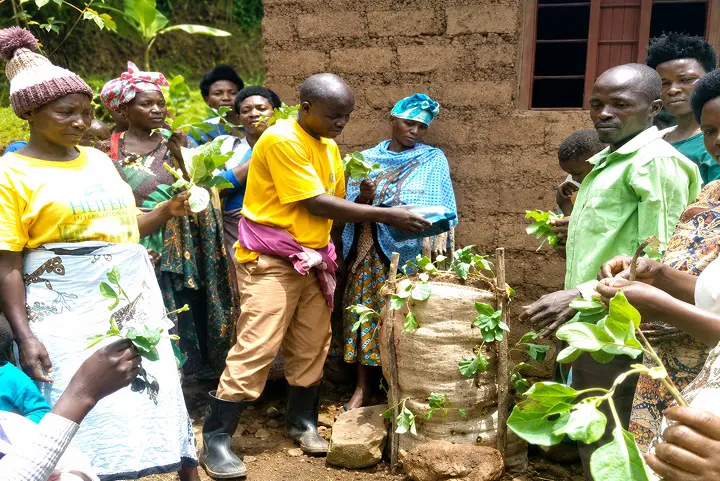
Initiating dialogue within the community
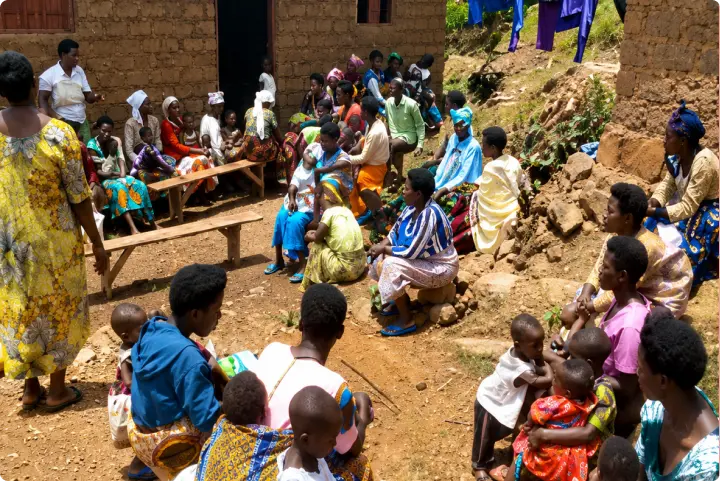
Community Change Agents giving training on how to grow vegetables in a small area
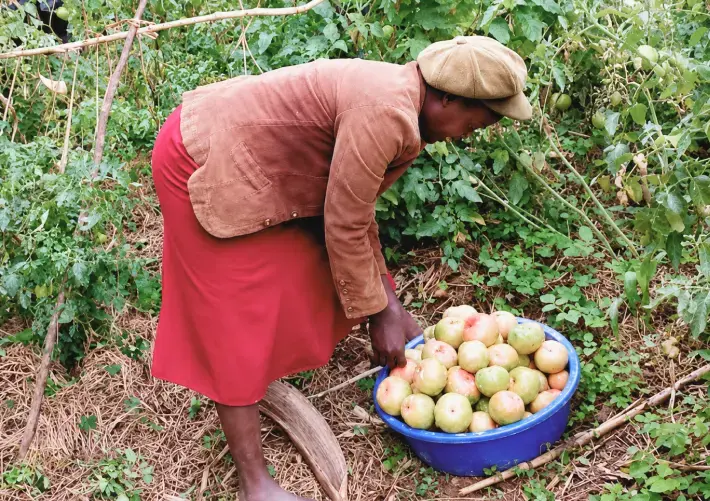
A beneficiary harvests tomatoes from her garden in preparation for sale
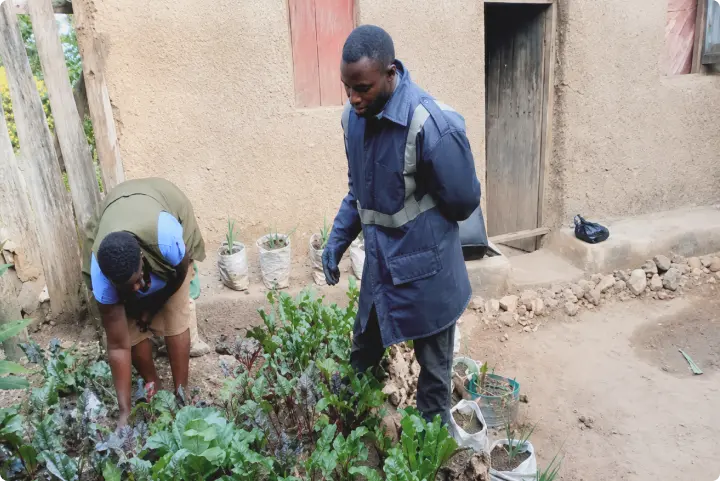
A MORE volunteer gives training on pest management for a beneficiary with a backyard garden
Partnerships & Collaborations for Capacity Building
We work closely with local and international bodies to help build capacity, knowledge and awareness within the MORE team. We then share this knowledge within the community via our team of Community Change Agents & volunteers.
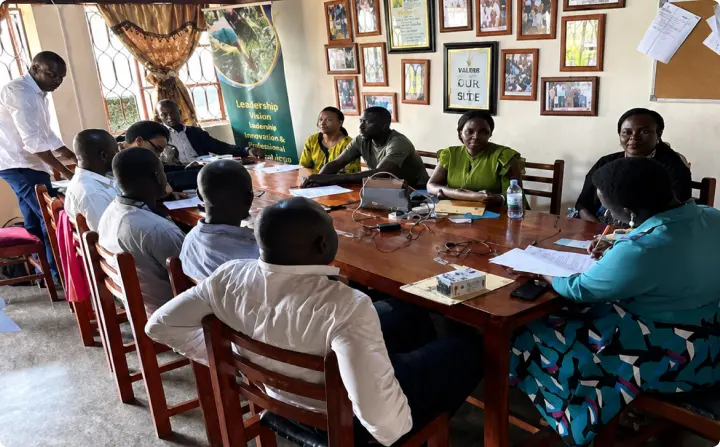
MORE executive director attends the Institutional Self Assessment at the FCDE Resource Center
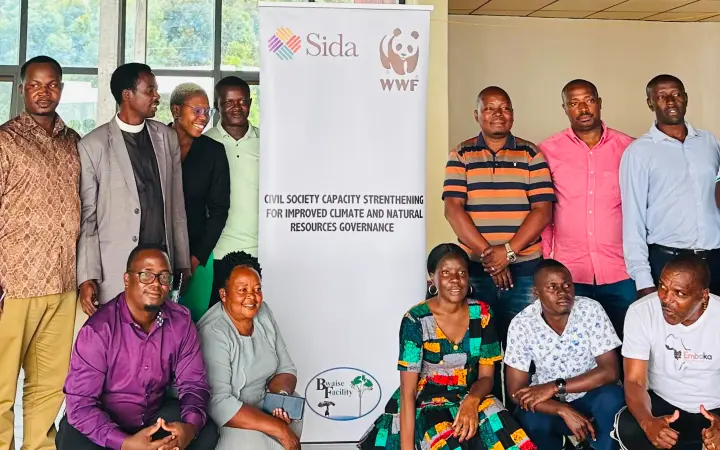
MORE team leads participate in CSO Finance Management training by World Wide Fund for Nature
Our Approach
A whole Household approach where community change agents conduct an assessment of those that need support with GBV
Community gathers who identify and prioritise their needs
For more complex issues, MORE seeks support from partners and external sources
Households create specific improvement plans
Together with local community leaders, district leaders and MORE, actions are taken as a partnership
Feedback and review meetings between the district, the community and MORE to track progress regarding all current projects